

When your family
needs more than
a referral.
For teenagers and young adults struggling with addiction and substance use, depression, anxiety, trauma, behavioral issues, and failure to launch — as well as severe and persistent mental illness including bipolar disorder, schizophrenia and psychosis, personality disorders, and autism spectrum disorder. Serving families nationwide and internationally, based in Chicago and South Florida.
Services built around the family, not just the individual.
I take on a small number of families at a time so I can actually be present — not just an hour a week. When someone is in crisis, a 50-minute session once a week does not cut it. I give each family the kind of time, focus, and real-world support that changes outcomes.
The things that actually make a difference.
Connection First
The therapeutic relationship is the #1 predictor of outcomes. I have a track record of connecting with teenagers and young adults who have refused help from everyone else.
Purpose as the Goal
Stabilizing symptoms is not the finish line. I help people find something to live for. Identity, direction, and belonging are what make recovery last.
In Their World, Not an Office
A resistant teenager will not open up in a clinical setting. I meet people where they are, whether that is a gym, a car ride, or a walk around the neighborhood.
The Whole Family
One person does not change in isolation. I work with the entire family unit because that is where the real patterns live and where real change takes hold.
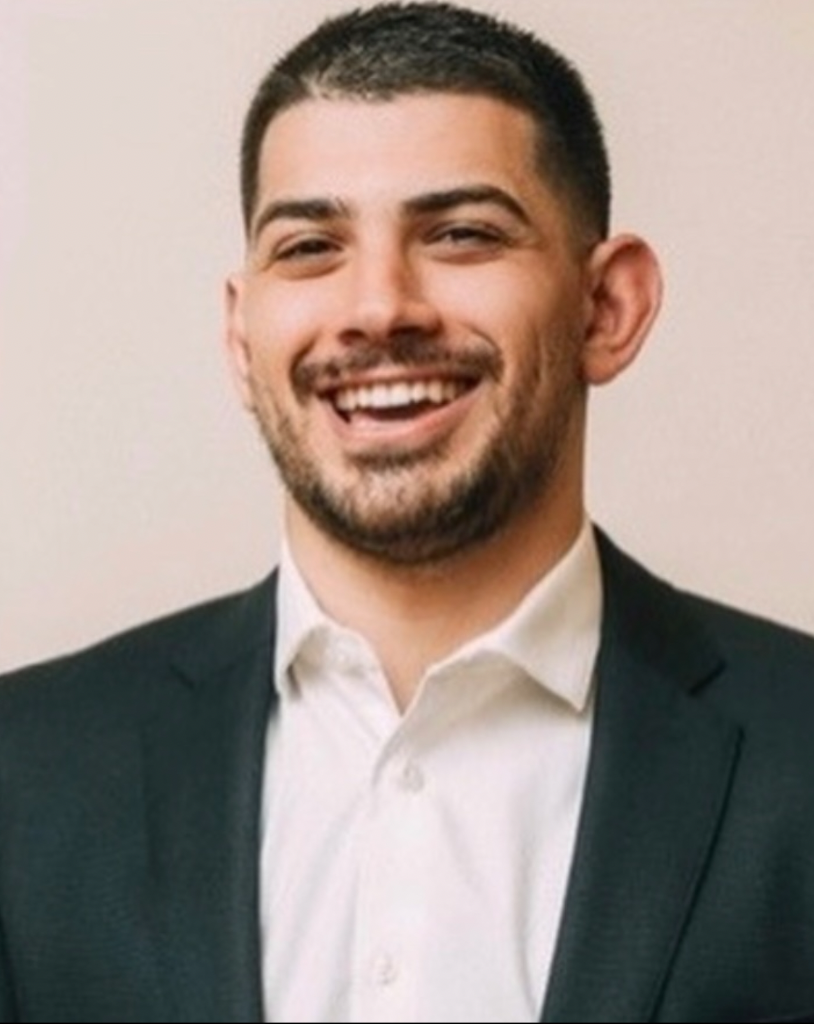
I was once the kid
you're calling about.
I grew up struggling. Lost someone close to me to suicide. Went down my own road with substance use. Got sober at 16, and by 17 I was already working with kids in worse shape than I had been.
That eventually led to an LCSW, years in therapeutic day schools, and serving in the IDF's elite undercover special operations unit. I know what it looks like from both sides.
My StoryWhy this works when traditional therapy has not.
A lot of teenagers and young adults drop out of therapy fast. Not because they can't be helped, but because the format does not fit who they are. This practice is built around that reality.
of teens drop out of therapy within the first 3 sessions. Getting them to stay engaged is the real challenge.
Small caseload by design. Your family is not one of forty. You get real time and real access.
Working directly with teenagers and families in real settings, not just clinical offices. Started at age 16.
Families can reach out when things are actually happening, not just during scheduled hours.
"Every person has the capacity to turn it around. They get stuck. What they need is the right person in their corner and something worth working toward."
— Josh Andre, LCSW
Reach out directly. No forms required to have a real conversation.
Also verified on Psychology Today.